Reassessing American Power Following Venezuela
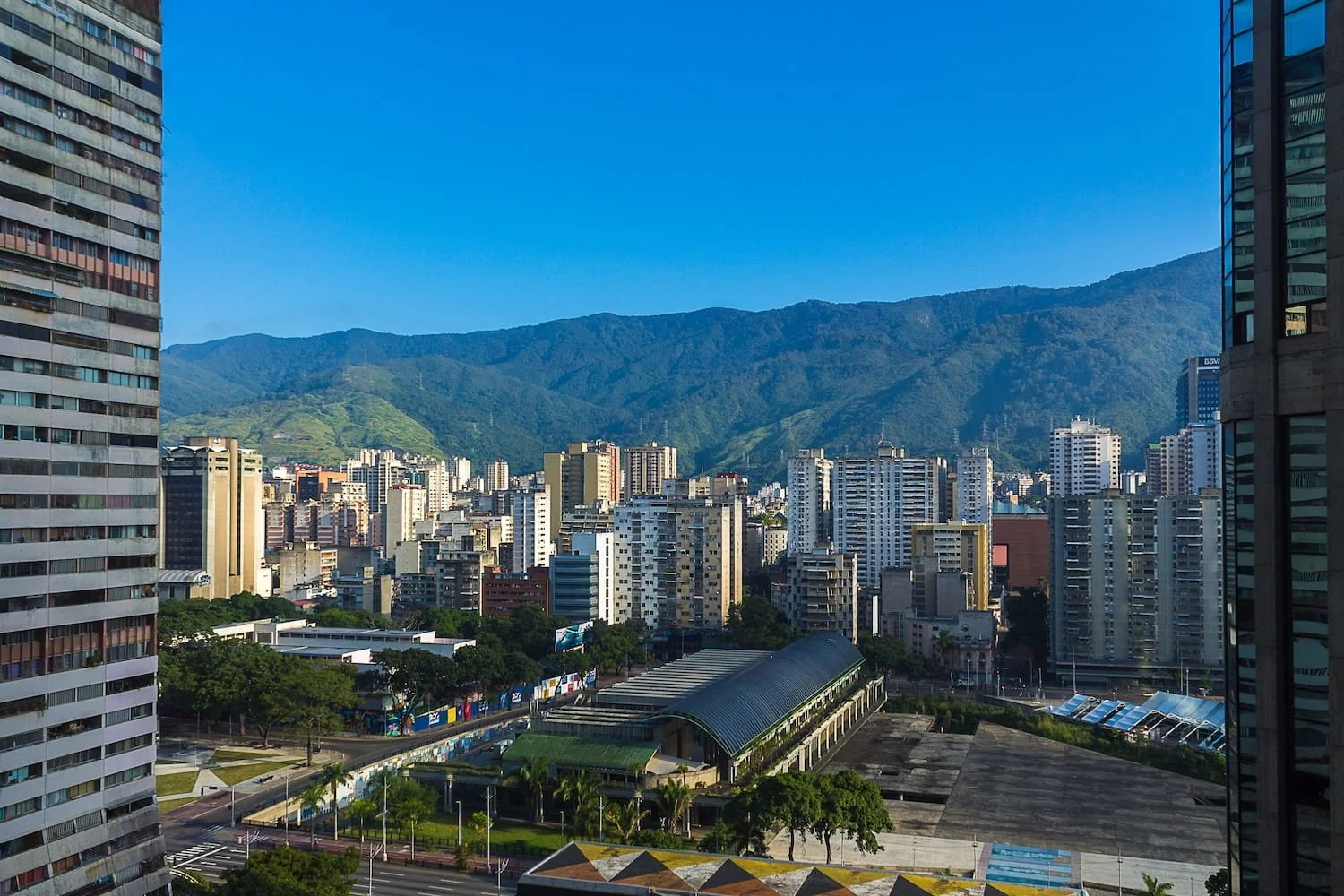
Caracas, Venezuela—the capital city at the center of shifting power dynamics in Latin America.
With the ouster of Venezuelan President Nicholas Maduro under the Trump administration, the United States has unmistakably achieved a key victory and strategic edge over its long list of adversaries, including China, Russia, Iran, and Cuba. While President Trump has stressed that flow of oil to Beijing would continue, it is only plausible to assume that Washington will now leverage this as a strategic pawn against Beijing. With careful use of Venezuela’s plentiful oil reserves, it is more than possible for Washington to further damage Russia’s declining oil-dominated economy by flooding the global energy market with cheap supplies. The fate of Cuba, which had relied deeply on Venezuela for discounted oil supplies, is also now up to question. The United States could also further restrict the residual revenue the Iranian government makes by influencing global oil prices, which already suffers from widespread domestic unrest and a moribund economy.
Amidst intense geopolitical competition between the United States and China, the United States is now able to essentially call China’s bluff. For one, Beijing did not lift a finger to help Venezuela, despite its “all-weather strategic partnership” with the South American country. The repercussions of Chinese inaction would most probably be felt strongest in Southeast Asia, where regional states long looked to China as an alternate hedge against America, now likely recognize China as only a second-tiered power against the United States, the latter of which is willing to utilize its might through military means much more readily. Although Beijing has been unwilling to give in to U.S attempts to force it out of Latin America, the Communist Party is now likely to be more circumspect in its dealings with Latin American leaders.
For Russia, the circumstances look even bleaker. Since its full-blown invasion of Ukraine in 2022, Moscow has already lost its core allies of Assadist Syria, Armenia, alongside strategic partnerships and understandings with Azerbaijan, Sweden, and Finland. Azerbaijan, seeking to break off its ostensibly cordial relations with its northern neighbor, raided the branch of Russian state media Sputnik and arrested alleged agents of Russia’s intelligence service. Sweden and Finland have ascended to the North Atlantic Treaty Alliance, which turned the Baltic Sea into a “NATO lake”. Russia, it seems, is also losing influence in Central Asia, traditionally its “near abroad”, to the United States. With the fall of Caracas, Washington and its Gulf allies now control, by some measures, half of the world’s oil supplies. With proper weaponization of such resources, Washington would have the ability to flood the global oil market with cheap oil. For Moscow with its struggling economy and widening deficit, its war in Ukraine is likely to prove more costly as time drags on. Russia, like China, would lose further credibility among its few allies.
In Cuba, the sky seems to be in free fall. The island nation, already facing widespread power outages and severe food and medicine shortages, was supplied by 35,000 barrels of Venezuelan oil in the last quarter of 2025, which has seen a significant reduction since President Trump increased pressure on Caracas. The complete cessation of oil from Venezuela, explicitly stated by President Trump, may be the straw that breaks the camel’s back.
The most precarious circumstances are now facing Iran. Facing deadly protests with casualties numbering around 500 stemming from domestic discontent against widespread inflation, global sanctions, and its military adventurism across the Middle East, American action against Tehran now seems imminent. Although the relationship between Caracas and Tehran were partly symbolic, Venezuela relied on Iranian technology to refine its heavy crude.
Finally, in Latin America, the message from Washington to not challenge its power is clear. With the establishment of a “Trump Corollary" not unlike the infamous Monroe Doctrine, the region’s leaders are now forced to grapple with the fact that they fall under the American sphere of influence, further strengthened by President Trump’s latest threats of military action targeting Mexican territory.